
 Master the Move: The Kettlebell Swing
Walk into almost any gym and you’ll see people doing kettlebell swings.
Some look crisp, powerful, and athletic.
Others look like a front raise, a squat, or a low back injury about to happen with a kettlebell in hand.
The difference usually isn’t good intentions and effort. It’s the foundation.
At Prime Performance, we’re hosting an upcoming
Master the Move: Foundations for the Kettlebell Swing
workshop led by Jesse Fairbanks, designed to help people build the positions, timing, and mechanics that make the swing powerful, efficient, and safe.
The truth is that you don’t earn the swing by picking up a kettlebell. You earn it by practicing and owning the athletic qualities, strength, and skills that come first.

Personal Trainer Jesse Fairbanks
Join Us This May + June
We’re hosting a 4-part Saturday Kettlebell Workshop Series led by Jesse.
Dates: May 17th and 31st + June 7th and 14th
Location: 2035 NW Front Ave, Ste 206, Portland, 97209
Time: 9:30am - 10:30am
Cost is $45 per session or $160 for all four sessions.
Spots will be limited.
If you’ve wanted to learn the right way to swing kettlebells, or polish up your swing once and for all, this is your opportunity.
3 options to register:
Email: info@primeperformancept.com
Contact Jesse: jesse@primeperformancept.com
Call: 503-308-1332
Why the Swing Matters
When coached well, the kettlebell swing is one of the most valuable movements in fitness.
It can help develop:
- Explosive hip power
- Posterior chain power and strength
- Conditioning and work capacity
- Athletic coordination
- Resilience for sport and life
- Efficient full-body training in minimal time
But if the foundation is missing, many people end up feeling it in the wrong places, like the back or shoulders.
Seven Components of a Powerful Swing
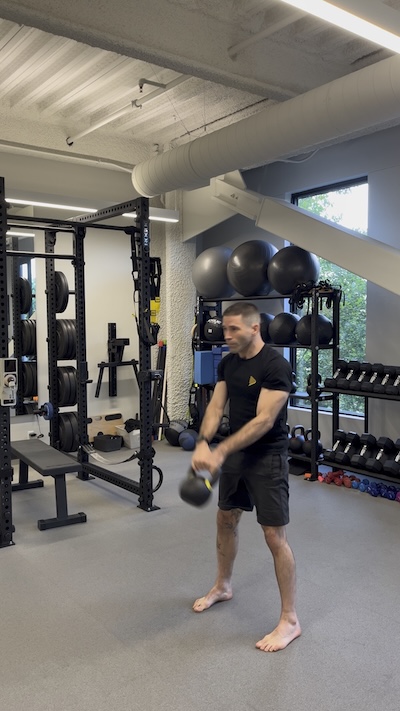
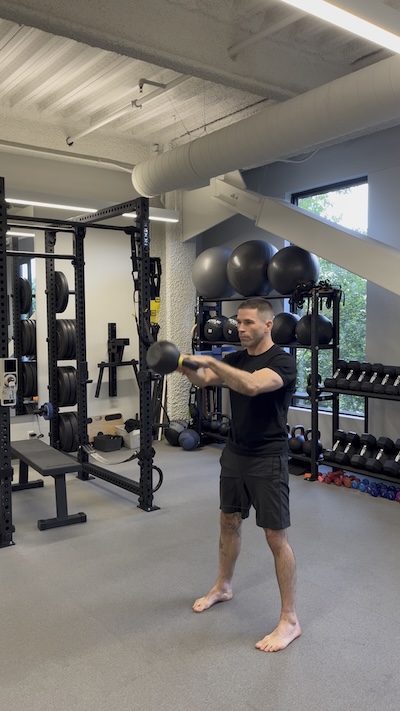
Setting Up:
-
Aligning the Spine
Build and maintain a braced, neutral spine. This is your chassis. If it isn’t organized, nothing else in the swing will be. -
Confirming the Grip
Your connection to the kettlebell matters. Force starts with your feet on the ground and travels through your body to where you grip the kettlebell. -
Packing the Shoulders
Set the shoulders and engage the lats. This links the kettlebell to the trunk and creates a stronger, safer connection.
Transferring Force:
-
Connecting the Arms
Your arms are cables, not lifters. They transfer force from the body to the kettlebell rather than trying to raise it themselves. -
Activating the Core
Breathing and timing matter. A sharp exhale at the right moment helps brace the trunk and transfer force without leaks.
Expressing Power:
-
Recruiting the Hips
The swing is driven by the hinge. Load and explode through the hips to generate power while sparing the low back. -
Driving with the Legs
Push the ground away. Think jumping without leaving the floor. Strong, coordinated legs help express power efficiently.
What You’ll Learn in the Workshop
This workshop is built for beginners and experienced lifters alike.
You’ll leave with:
- A clear understanding of how the swing should feel
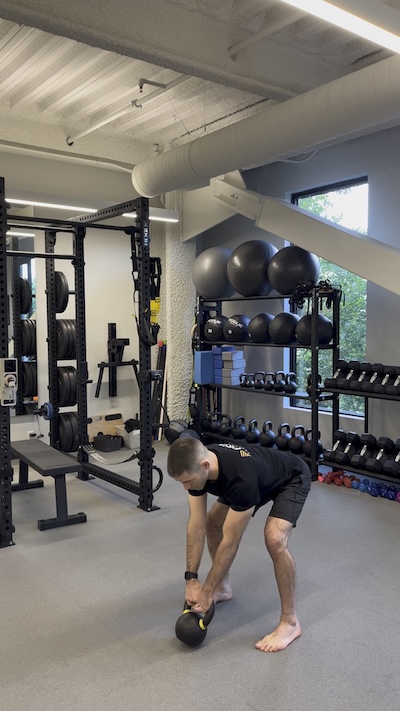
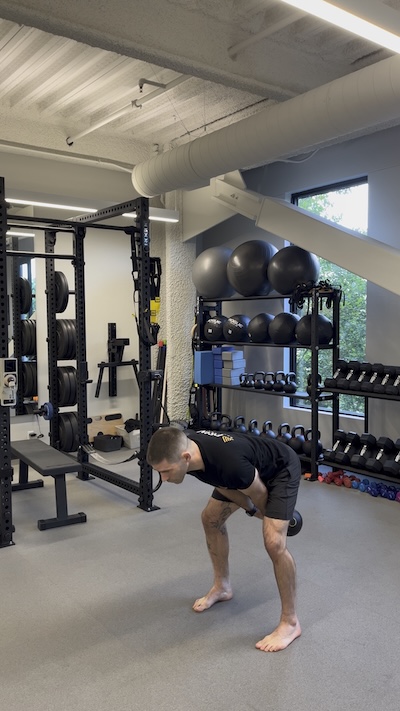
- Better hinge mechanics
- Drills to prepare for swinging
- Drills to correct and prevent common errors
- More confidence using kettlebells safely
- Better power production and movement efficiency
Who This Is For
- People new to kettlebells
- Anyone whose swing “doesn’t feel right”
- Lifters who feel swings in their back instead of hips
- Athletes returning from injury
- Active adults wanting better technique
- Experienced trainees wanting to sharpen fundamentals
Why Learn the Kettlebell Swing With Us?
At Prime Performance, we help people heal, live, and perform at their best. That means combining rehab and sport science insights while coaching movement quality and performance.
This is exactly how Jesse will coach the workshop.
Bottom Line
When you pick up a kettlebell after this workshop, you won’t be learning the swing—you’ll be expressing it!